
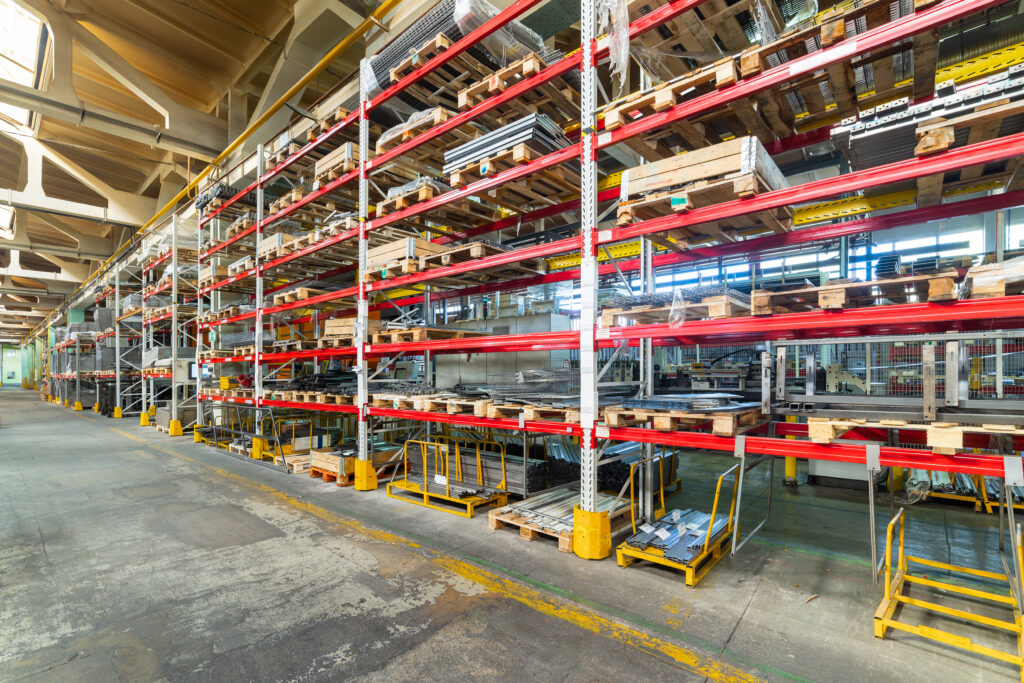
How Facility Managers Can Recover Value From Idle Equipment
Facility managers are responsible for keeping spaces productive, safe, and efficient. But unused equipment can work against all three goals.
Old machines, outdated tools, storage racks, fixtures, lab equipment, restaurant equipment, and warehouse assets often sit in corners, back rooms, loading areas, or unused production space. Over time, these assets become easy to ignore.
The problem is that idle equipment still has a cost.
Idle Equipment Takes Up Valuable Space
Every square foot inside a facility should serve a purpose. When equipment sits unused, it limits storage, production, maintenance access, and workflow.
Idle equipment can create problems such as:
- Reduced usable floor space
- Cluttered work areas
- Safety concerns
- Higher storage costs
- Delayed renovations or upgrades
- Missed resale opportunities
Even when equipment is not actively costing money, it may be preventing the facility from being used more effectively.
Unused Assets Can Still Hold Value
Many companies assume equipment is no longer valuable because they no longer use it. That is not always true.
A machine that no longer fits one company’s operation may still be useful to another buyer. Equipment Recycle’s About page notes that the company has shipped equipment worldwide and has experience brokering large commercial equipment internationally.
That type of buyer reach matters. The right buyer may not be local. It may be in another state or another country.
When Facility Managers Should Consider Selling
Facility managers should consider selling equipment when:
- Equipment has not been used in several months
- A facility upgrade is planned
- The company is downsizing or relocating
- Maintenance costs are increasing
- Equipment is blocking usable space
- A cleanout deadline is approaching
- The equipment no longer supports current operations
Existing Equipment Recycle blog content makes a similar point: holding equipment too long can drain space, capital, and operational efficiency.
Start With an Equipment Evaluation
Before deciding what to remove, scrap, or sell, facility managers should start with an asset review.
An evaluation can help determine:
- Which items have resale value
- Which assets should be grouped together
- Whether auction, consignment, or direct purchase is best
- What logistics may be required for removal
- How quickly the space can be cleared
This prevents valuable assets from being overlooked or treated as waste.
Build a Cleanout Plan
A cleanout plan should include more than a removal date.
For better results, facility managers should consider:
- Access points and loading areas
- Equipment size and weight
- Power disconnection needs
- Forklift or rigging requirements
- Buyer pickup coordination
- Internal deadlines
- Safety procedures
A coordinated plan reduces disruption and helps the facility stay on schedule.
Turn Facility Clutter Into Working Capital
Idle equipment can create operational drag. Selling it can create measurable benefits.
Facility managers can:
- Free up floor space
- Improve workflow
- Reduce storage issues
- Support upgrades or expansion
- Recover capital from unused assets
- Simplify future maintenance and planning
Instead of viewing surplus equipment as a burden, facility teams can treat it as an opportunity.
Equipment Recycle Can Help
Equipment Recycle works with businesses that need to sell, remove, or liquidate used equipment. Their services include auctions, consignment, and outright purchase options.
For facility managers, that means fewer moving parts and a more organized process.