
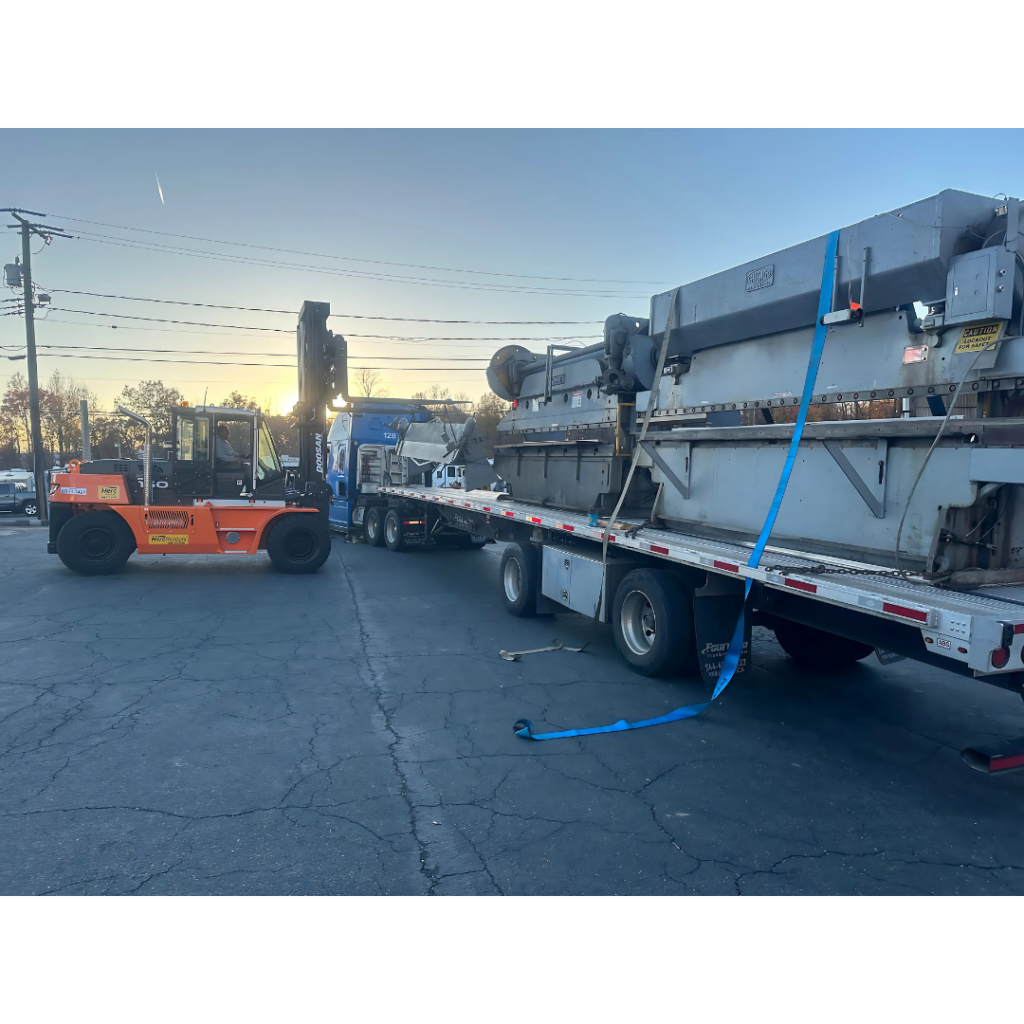
Many businesses hold onto equipment longer than they should. Machines that once supported operations often end up sitting idle in storage areas, warehouses, or unused facility space.
While it may seem harmless to keep surplus assets, unused equipment can actually tie up capital, reduce efficiency, and create unnecessary operational clutter.
The Hidden Cost of Idle Equipment
When equipment is no longer contributing to productivity or revenue, it begins to lose value. Storage costs, maintenance concerns, and lost floor space can all impact your bottom line.
Businesses that choose to sell used business equipment at the right time can recover capital and reinvest in growth opportunities.
Understanding Your Equipment Selling Options
Not every situation requires the same selling strategy. That’s why many companies work with professionals who understand the surplus equipment market.
At Equipment Recycle, businesses can choose from multiple selling solutions including:
- Competitive online equipment auctions
- Consignment sales programs
- Direct equipment purchase options
Each method is designed to match the urgency, condition, and market demand for the equipment being sold.
A Streamlined Process From Evaluation to Removal
Selling equipment does not need to disrupt daily operations. With the right support, the process can be efficient and structured.
Equipment Recycle manages key steps including asset evaluation, pricing strategy, marketing exposure, buyer coordination, and logistics planning. This allows business owners and facility managers to focus on core operations while still recovering value from surplus assets.
When Is the Right Time to Sell Equipment?
If equipment has not been used in the past several months, has been replaced by newer technology, or is taking up valuable production or storage space, it may be time to consider selling.
Taking action early often results in stronger resale performance and improved operational efficiency.
Start Turning Surplus Into Opportunity
Businesses across industrial, medical, manufacturing, laboratory, construction, and commercial sectors continue to benefit from structured surplus equipment selling strategies.